

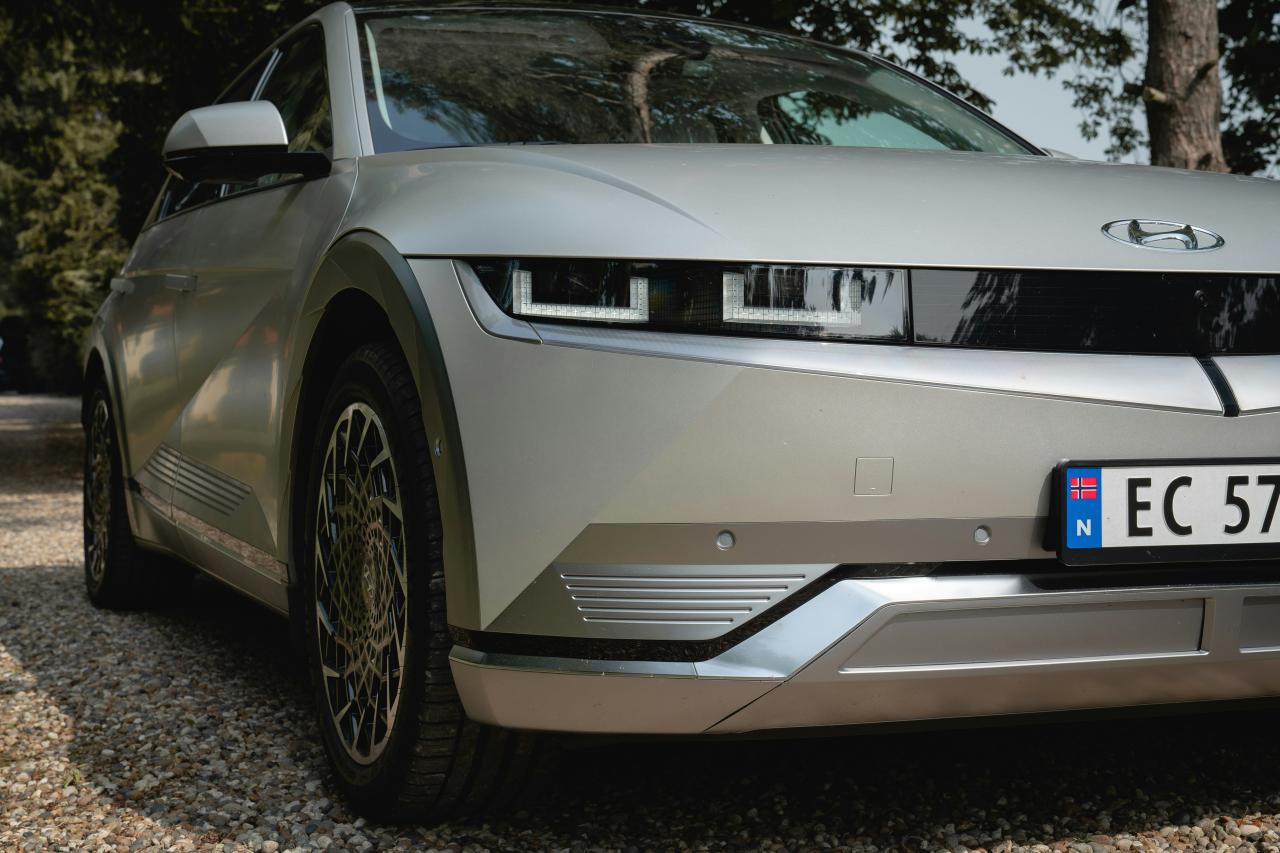
The global automotive landscape is undergoing a massive shift as electricity replaces gasoline as the primary fuel source. We are moving away from noisy internal combustion engines and entering an era of silent, high-performance electric propulsion.
You might notice that modern electric vehicles now offer faster acceleration and more advanced tech than traditional luxury cars. This transition toward sustainable mobility creates a clear roadmap for a future where your driving experience is both eco-friendly and thrilling.
Most drivers struggle to understand the complex systems behind battery life, charging speeds, and electric motor efficiency in their cars. By mastering the core pillars of electric vehicle technology, you can reclaim your automotive sovereignty and enjoy a high-performance ride.
This guide explores the most significant breakthroughs in EV engineering and provides a clear framework for navigating the electric road. Let us dive into the world of advanced battery systems and discover how to transform your daily commute into an efficient journey.
You possess the vision to adopt new technology, and the right EV knowledge provides the power to drive with total confidence.
The Foundation of Advanced Battery Chemistry and Range

The heart of every high-performance electric car is its battery pack, which determines how far and fast you can travel. We are moving toward a world where solid-state batteries and high-nickel cathodes provide much more energy in a smaller space.
This technical infrastructure is the catalyst for your long-term driving independence and systemic peace of mind during long road trips.
A. Lithium-Ion and Solid-State Breakthroughs
Modern cars use lithium-ion cells, but the industry is shifting toward solid electrolytes for better safety and higher density.
This technical precision allows manufacturers to build lighter vehicles that can travel over five hundred miles on a single charge. It provides a roadmap for a car that charges faster and lasts longer than any previous generation of electric transport.
B. Thermal Management and Battery Longevity
Liquid cooling systems keep the battery at the perfect temperature to prevent degradation during fast charging or extreme weather.
This technical shift ensures that your expensive battery pack maintains its health and capacity for over a decade of daily use. Mastering your battery temperature is a masterpiece of management that protects your vehicle’s resale value and its professional reputation.
C. Energy Density and Weight Distribution
Placing heavy batteries at the bottom of the car creates a low center of gravity for superior handling and safety. This high-resolution engineering allows an electric SUV to handle like a sports car while providing a much smoother ride.
It is the primary engine that drives the performance gap between modern electric motors and old-fashioned gas-powered engines.
I see many new owners worrying about “range anxiety” and checking their battery percentage every few minutes while they drive. You should stop treating your EV like a gas car and start viewing it as a large smartphone on wheels.
My perspective is that the “slow” overnight charge at home is actually better for your battery health than daily fast charging. Focus on the weekly average of your driving needs rather than the rare long-distance trip to stay stress-free.
Maximizing Efficiency through Regenerative Braking Systems
Electric vehicles use a unique technical maneuver to recover energy that would normally be lost as heat during traditional braking.
We are seeing a revolution where “one-pedal driving” allows you to slow down simply by lifting your foot off the accelerator. This mechanical discipline is the primary engine for building a high-performance driving habit that extends your range and saves your brakes.
A. Kinetic Energy Recovery Logic
When you let off the gas, the electric motor reverses its direction to act as a generator and recharge the battery. This technical accuracy turns your daily city traffic into an opportunity to gain back small amounts of valuable driving range.
It provides a roadmap for an efficient commute where you rarely need to use the physical friction brakes on your car.
B. Adjustable Regeneration Levels for Comfort
Most high-end EVs allow you to choose how aggressively the car slows down when you are not pressing the pedal. This technical shift gives you total control over the driving feel, whether you want a coasting sensation or strong braking.
High-resolution control over your regeneration settings is a fundamental requirement for anyone who wants to master the electric driving experience.
C. Reducing Mechanical Wear and Maintenance
Because the motor handles most of the slowing down, your physical brake pads and rotors can last much longer. This technical synergy significantly reduces the long-term cost of owning a vehicle and keeps your car out of the shop.
It is the primary engine that supports a low-maintenance lifestyle while providing a high-performance and responsive braking feel.
I notice that many traditional drivers find regenerative braking strange or jarring when they first switch to an electric motor. You should realize that this system is your best friend for maximizing your “fuel” economy and saving money on parts.
My advice is to set the regeneration to the highest level and practice smooth foot movements to master the car. Once you get the hang of it, you will find it much more relaxing than constant pedal switching in traffic.
The Evolution of High-Speed Charging Infrastructure
The speed at which you can “refill” your battery is the biggest hurdle for widespread adoption of electric vehicle technology.
We are moving toward 800-volt architectures that can add hundreds of miles of range in less than twenty minutes at a station. This digital and physical infrastructure is the catalyst for your long-term mobility and your ability to travel across the country.
A. Level 2 Home Charging and Daily Convenience
Installing a dedicated charger at home allows you to start every morning with a “full tank” of cheap electricity. This technical precision removes the need to ever visit a gas station during your normal weekly routine and daily work.
It provides a roadmap for a seamless lifestyle where your car prepares itself while you are sleeping or eating dinner.
B. DC Fast Charging and Ultra-Rapid Networks
High-power stations along highways use direct current to bypass the car’s internal charger and fill the battery with massive speed.
This technical shift makes long-distance travel a reality for electric cars, matching the convenience of traditional fossil fuel refueling stops. Mastering the charging curve is a masterpiece of planning that ensures you spend more time driving and less time waiting.
C. Plug-and-Charge and Seamless Payment Integration
Modern systems allow the car to communicate directly with the charger, starting the session and handling payment without an app.
This technical synergy creates a high-performance user experience that is actually easier and faster than using a traditional credit card. It is the primary engine that supports a growing network of reliable and user-friendly charging points for every electric driver.
I see many people getting confused by the different types of plugs and the varying speeds of public charging stations. You should stop worrying about the technical jargon and focus on using an app that pre-plans your route and chargers.
My perspective is that “destination charging” at hotels or malls is the most efficient way to keep your battery full. Let the car’s computer handle the math so you can focus on the music and the road ahead of you.
Aerodynamics and the Science of Electric Efficiency
Because batteries are heavy and expensive, electric cars must be designed to slice through the air with as little resistance as possible.
We are seeing a shift toward “teardrop” shapes, flush door handles, and active grille shutters to boost total range. This administrative discipline is the primary engine for creating a high-performance vehicle that uses every watt of energy with total precision.
A. Drag Coefficient and Body Styling
Reducing the air resistance allows the motor to work less at highway speeds, which significantly increases your total driving range.
This technical accuracy is why many electric cars have a unique, futuristic look that sets them apart from old gas models. It provides a roadmap for a sleek and efficient design that looks great while performing at a high technical level.
B. Aero-Wheels and Specialized EV Tires
Flat wheel designs and low-rolling-resistance tires reduce the friction between the car, the air, and the road surface. This technical shift might seem small, but it can add several miles of range over the course of a long trip.
High-resolution attention to these small details is a fundamental requirement for building a world-class and efficient electric transport system.
C. Active Aero and Cooling Ventilation
Some cars use moving parts that open for cooling and close for better aerodynamics depending on the current driving speed.
This technical synergy allows the car to breathe when it is hot and stay slippery when it is cruising fast. It is the primary engine that balances the need for high-performance cooling with the need for extreme aerodynamic efficiency.
Many people think that “boxy” SUVs are the only way to get a practical family car for their daily needs. You should realize that every sharp corner on your car is a “leak” where you are losing energy and range.
My advice is to look for models that prioritize a smooth, continuous silhouette if you plan on doing a lot of highway driving. A more aerodynamic car is not just faster; it is much quieter and cheaper to operate over its lifetime.
Software-Defined Vehicles and Over-the-Air Updates
The most exciting part of modern EV technology is that your car can actually get better and faster after you buy it. We are moving toward “Software-Defined Vehicles” where the manufacturer sends digital updates to improve battery life, power, and safety features.
This digital infrastructure is the primary engine for maintaining your professional sovereignty and keeping your vehicle at the cutting edge of tech.
A. Remote Performance and Range Enhancements
Manufacturers can tweak the motor software to unlock more horsepower or improve the efficiency of the power electronics via the web.
This technical precision ensures that your car stays competitive with newer models without you having to buy a brand-new vehicle. It provides a roadmap for a long-lasting asset that evolves alongside the latest breakthroughs in computer science and engineering.
B. Self-Driving Logic and Safety Assistance
Autonomous driving features receive constant updates to better recognize road signs, pedestrians, and other vehicles in complex traffic and weather.
This technical shift makes your car safer every month as the global fleet of vehicles shares data and learns from mistakes. Mastering the digital side of your car is a masterpiece of management that protects your family and your peace of mind.
C. Infotainment and User Experience Customization
You can change the look of your dashboard, add new apps, or even improve the sound system through a simple software download. This technical synergy ensures that your car feels fresh and personalized to your specific tastes and needs for many years to end.
It is the primary engine that supports a high-performance relationship between the driver and the machine in the modern digital age.
I notice that some drivers are afraid of “connected cars” and worry about privacy or hackers getting into their personal vehicle. You should realize that a connected car is a safer car because it can receive critical security patches and emergency updates instantly.
My perspective is that you should embrace the “updates” just like you do on your smartphone to get the best value. Your car is no longer a static piece of metal; it is an evolving partner in your daily journey.
Conclusion

Strategic electrified orchestration represents a fundamental breakthrough in mobility sovereignty, replacing fossil-fuel dependency with innovative high-efficiency powertrains and disciplined energy defense that ensure your mechanical engine wins today.
By integrating mission-critical watt management and data-backed range scaling into your daily flow, you can effectively eliminate the risks of energy depletion and terrain-driven limitations while benefiting from the increased stability of automated charging logic and strategic power ownership.
Taking immediate action to audit your current consumption habits and adopting a logic-based mission to utilize advanced digital infrastructure allows you to reclaim your psychological freedom, grow your professional prosperity, and secure a lasting legacy through technical and structural resilience.
The path to a successful and high-performance lifestyle is clear when you use electrical discipline and proactive battery protection as your primary tools to fuel rapid progress and achieve ultimate stability starting today.