

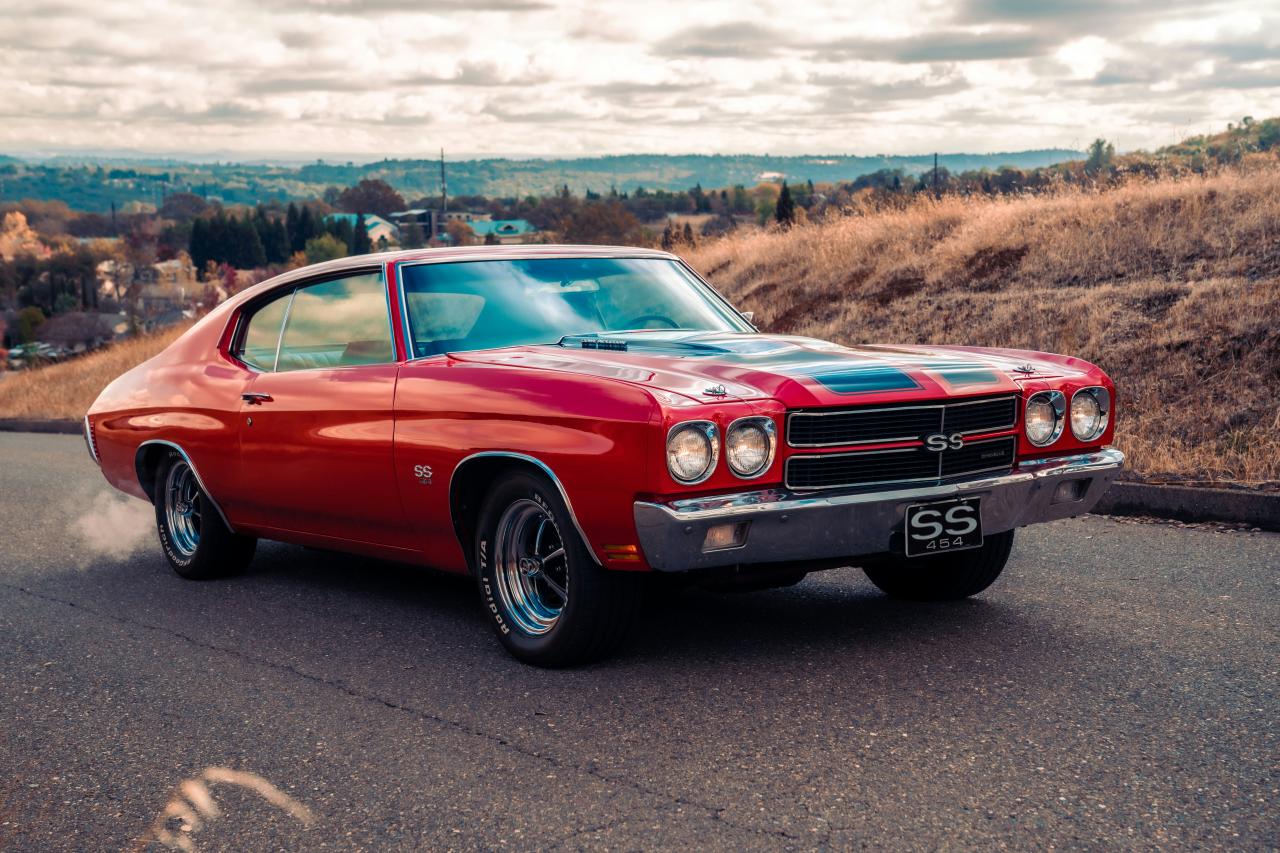
The global financial landscape is witnessing a remarkable resurgence in alternative asset classes, with vintage automobiles emerging as one of the most lucrative and emotionally rewarding sectors for high-net-worth individuals. Investing in classic cars requires a sophisticated blend of historical knowledge, mechanical appreciation, and an acute understanding of market dynamics that dictate long-term value appreciation. Unlike traditional stocks or bonds, these rolling pieces of art provide a tangible utility and a sensory experience that adds a unique layer of lifestyle dividends to a diversified portfolio.
High-end collectors are increasingly shifting their capital toward rare, blue-chip models that possess a documented provenance, low production numbers, and an iconic design language that transcends temporary trends. The scarcity of pristine examples from legendary marques such as Ferrari, Porsche, and Aston Martin has created a hyper-competitive environment where auction records are routinely shattered by savvy investors seeking a hedge against inflation.
This market is not merely about old machinery; it is an intricate ecosystem involving expert restoration, specialized insurance, and global logistics that ensure the preservation of automotive heritage. Strategic buyers focus on vehicles with matching numbers and original factory specifications, as these factors serve as the ultimate certificate of authenticity in a market that demands absolute perfection.
Furthermore, the cultural significance of certain eras—such as the mid-century Italian sports car movement or the raw American muscle car period—continues to drive demand across international borders. As wealth continues to circulate into tangible assets, the classic car market stands as a testament to the enduring value of engineering excellence and aesthetic beauty. Navigating this space requires patience and professional due diligence, but the rewards for those who master the art of automotive acquisition are often unparalleled in the modern investment world.
A. Assessing Historical Significance and Provenance

The primary driver of value in the high-end automotive market is the historical story behind a specific chassis. A car that was owned by a celebrity or driven in a significant race will always command a much higher price than a standard model.
Investors must conduct deep archival research to verify the ownership chain through original logbooks and factory records. This documentation acts as a vital safeguard for your capital investment over the long term.
B. The Importance of Low Production Volume
Scarcity is a fundamental rule of economics that applies heavily to the valuation of classic vehicles. Models that were produced in limited quantities are much more likely to see aggressive price appreciation as collectors compete for the few remaining examples.
Special edition variants or “one-off” coachbuilt bodies often represent the pinnacle of investment potential. When supply is fixed and demand grows globally, the financial trajectory of the asset usually points upward.
C. Mechanical Integrity and Matching Numbers
A “matching numbers” vehicle means that the engine, transmission, and chassis are the original components that left the factory together. This technical harmony is essential for a car to be considered a top-tier investment grade asset.
Buyers should hire specialized master mechanics to perform a pre-purchase inspection of the internal components. Maintaining the mechanical originalness ensures that the vehicle retains its soulful driving characteristics and its market premium.
D. Blue Chip Marques with Proven Growth
Certain brands have established a decades-long track record of steady value growth and high liquidity at international auctions. Ferrari, for instance, remains the undisputed king of the investment world due to its racing pedigree and exclusivity.
Porsche 911 variants from the air-cooled era have also shown remarkable resilience in various economic climates. Selecting a brand with a strong enthusiast community and global recognition reduces the risk of your investment stagnating.
E. The Role of Professional Restoration Quality
The condition of a classic car can range from “barn find” to “concours d’elegance” ready. Investing in a vehicle that has undergone a world-class restoration by a recognized specialist can add significant value to the final price.
Conversely, a poor restoration using non-original parts can actually damage the investment potential of a rare car. High-net-worth investors often prefer “preservation” class cars that remain in original, unrestored condition with beautiful patina.
F. Market Liquidity and Global Auction Trends
While classic cars are considered illiquid compared to public stocks, the global network of auction houses provides a clear exit strategy. Events in Monterey, Monaco, and London serve as the primary benchmarks for current market values.
Tracking these auction results allows investors to identify emerging trends and shifts in collector tastes. High-demand periods often coincide with major automotive anniversaries or museum exhibitions dedicated to specific brands.
G. Specialized Storage and Preservation Logistics
Maintaining the value of a classic car requires a climate-controlled environment that prevents rust and degradation of natural materials like leather and rubber. Professional storage facilities often provide trickling chargers and regular fluid checks.
These costs should be factored into the overall ROI calculation to ensure a realistic view of net gains. Proper preservation is not just a luxury but a mandatory requirement for protecting a high-value automotive asset.
H. Insurance Coverage for Agreed Value
Standard auto insurance is insufficient for rare vehicles because it does not account for the appreciation of the asset over time. Collectors must utilize “agreed value” policies that guarantee a specific payout in the event of a total loss.
These specialized insurers understand the unique risks associated with vintage transport and often offer flexible mileage limits. Having the right coverage ensures that your capital remains protected against unforeseen physical damage or theft.
I. Emerging Classics and the Next Generation
The market is currently seeing a surge in interest for “modern classics” from the late eighties and nineties. Younger collectors are now targeting the cars they grew up admiring, such as Japanese performance icons and early digital supercars.
Identifying these future legends before they reach their peak value is a strategic way to enter the market at a lower price point. This generational shift ensures a continuous flow of new buyers into the automotive investment ecosystem.
J. Portfolio Diversification Benefits
Classic cars have a low correlation with traditional financial markets, meaning they often hold their value when stocks are volatile. This makes them an excellent tool for stabilizing a large investment portfolio.
The joy of physical ownership provides a psychological benefit that cannot be found in a digital brokerage account. Investors can enjoy their assets at rallies and shows while the underlying value continues to mature.
K. Navigating the Regulatory Environment
Understanding import and export taxes is crucial for those buying vehicles from different continents. Some countries offer tax incentives for “historical vehicles” that are over a certain age.
Staying informed about environmental regulations regarding older engines is also vital for long-term planning. Many jurisdictions provide exemptions for classic cars, allowing them to remain on the road for special events.
L. The Influence of Digital Marketplaces
The rise of online auction platforms has democratized the buying process and increased transparency for smaller investors. These sites provide extensive photo galleries and comment sections where experts debate the merits of each listing.
Digital platforms have increased the velocity of the market, allowing for quicker transactions than traditional physical auctions. This increased accessibility has brought a fresh wave of capital into the vintage car space.
M. Expert Consulting and Collection Management
Many high-level investors employ professional consultants to build and manage their automotive collections. These experts have “off-market” connections that allow them to find rare cars that never appear in public advertisements.
A collection manager handles the day-to-day logistics, from maintenance schedules to event entries. This professional oversight ensures that every vehicle in the portfolio remains in peak investment condition.
N. The Impact of Racing Pedigree
Vehicles that have a documented history in major competitions like Le Mans or the Mille Miglia are among the most valuable in the world. The “spirit” of competition adds an intangible value that attracts the world’s wealthiest collectors.
Even a car that served as a factory test mule or a press demonstrator can hold a special place in the market. The closer a car is to the racing heart of a brand, the higher its financial ceiling.
O. Future Proofing and Market Resilience
While the transition to electric vehicles is accelerating, the desire for mechanical purity remains a strong market force. Purely mechanical machines represent a finite resource that cannot be replicated by modern technology.
This inherent obsolescence of internal combustion engines in the new car market actually drives higher demand for classic examples. Investors view these cars as a permanent record of human engineering history.
P. Aesthetic Appeal and Design Language
The visual impact of a car is often the first thing that attracts a buyer and is a major factor in its long-term desirability. Designs by legendary houses like Pininfarina, Zagato, and Bertone are viewed as masterpieces of industrial art.
A car that is beautiful to look at will always find a buyer, even if the mechanical performance is surpassed by modern rivals. In the world of high-end collecting, form is often just as important as function.
Q. Networking at Elite Concours Events
Attending events like the Pebble Beach Concours d’Elegance allows investors to network with other collectors and industry leaders. These gatherings are the boardrooms of the classic car world where major deals are often discussed.
Winning an award at a major show can instantly increase the market value of a vehicle by a significant percentage. The prestige associated with these trophies acts as a powerful marketing tool for the asset.
R. Understanding the Cost of Ownership
Successful investing requires a clear-headed approach to the ongoing costs of parts, labor, and specialized fluids. Some rare parts must be custom-fabricated, which can be an expensive and time-consuming process.
Investors who treat their cars as a business venture will keep meticulous records of every dollar spent on maintenance. This service history folder is a powerful tool when it comes time to sell the vehicle to a new owner.
S. The Psychological Aspect of Collecting
Passion is the fuel that drives the classic car market, but it must be tempered with rational financial analysis. Emotional buying can lead to overpaying for a vehicle that has significant hidden flaws.
Finding a balance between the love of the machine and the cold reality of market data is the key to long-term success. The best investors are those who can appreciate the beauty of a car while still checking the chassis numbers twice.
T. Long Term Appreciation Cycles
Classic car values tend to move in long cycles that can last a decade or more. Patience is required, as the best returns are often realized by those who hold their assets through several market shifts.
Attempting to “flip” rare cars for a quick profit is a risky strategy that often fails due to high transaction costs. The most successful collectors are those who view their vehicles as a generational legacy for their families.
Conclusion

The acquisition of a classic vehicle remains one of the most prestigious investment paths available today. Every successful collector understands that the true value lies in the intersection of rarity and historical importance. A well-maintained automotive portfolio can outperform many traditional financial instruments over several decades. Safety of capital is ensured by focusing on brands with a global and enduring reputation for excellence.
Managing these assets requires a dedicated commitment to preservation and professional mechanical care. The market continues to evolve as new generations of enthusiasts enter the space with fresh perspectives.Scarcity remains the primary engine that drives the aggressive price growth seen at top-tier auctions. Investors benefit from the unique combination of financial gain and the thrill of the open road. The future of automotive collecting is bright for those who prioritize quality and documented provenance. Investing in history is the best way to ensure your capital remains relevant in an ever-changing world.