

The global automotive sector has undergone a profound structural realignment, shifting focus from high-margin luxury experiments to the democratization of high-density lithium-iron-phosphate (LFP) and nickel-manganese-cobalt (NMC) energy storage for the mass-market consumer. As the cost of battery-grade minerals stabilizes and manufacturing efficiencies at global gigafactories reach an industrial zenith, the availability of electric vehicles capable of exceeding 300 miles on a single charge has transitioned from a premium luxury niche to a baseline requirement for middle-market accessibility.
This era of “Energy-Democratization” is characterized by a fierce competition among established incumbents and agile new entrants to provide the highest range-per-dollar ratio, utilizing aerodynamic optimization, advanced thermal management systems, and high-voltage charging architectures to eliminate legacy concerns regarding range anxiety. Institutional shifts toward localized production and standardized charging protocols have significantly lowered the barriers to entry, allowing for a surge in high-performing assets that cater to long-distance commuters and family travelers alike.
For the modern consumer, identifying a vehicle that balances fiscal responsibility with superior mechanical endurance requires a sophisticated understanding of drag coefficients, regenerative braking efficiency, and real-world range degradation in varied climates. The current market landscape offers a unique window of opportunity where technological leapfrogging has resulted in “value-optimized” platforms that deliver sub-8-second acceleration and ultra-fast charging capabilities previously reserved for six-figure super-sedans. This strategic overview examines the most resilient and high-yield affordable electric vehicles currently dominating the long-distance segment, providing a comprehensive roadmap for those seeking to maximize their mobility-alpha in a rapidly evolving energy landscape.
The integration of high-density battery packs into affordable vehicle platforms has fundamentally changed the economics of regional and cross-country travel. Operators are now benefiting from standardized “Mega-Charger” networks and superior powertrain efficiency to drive down the total cost of ownership while maintaining high operational range.
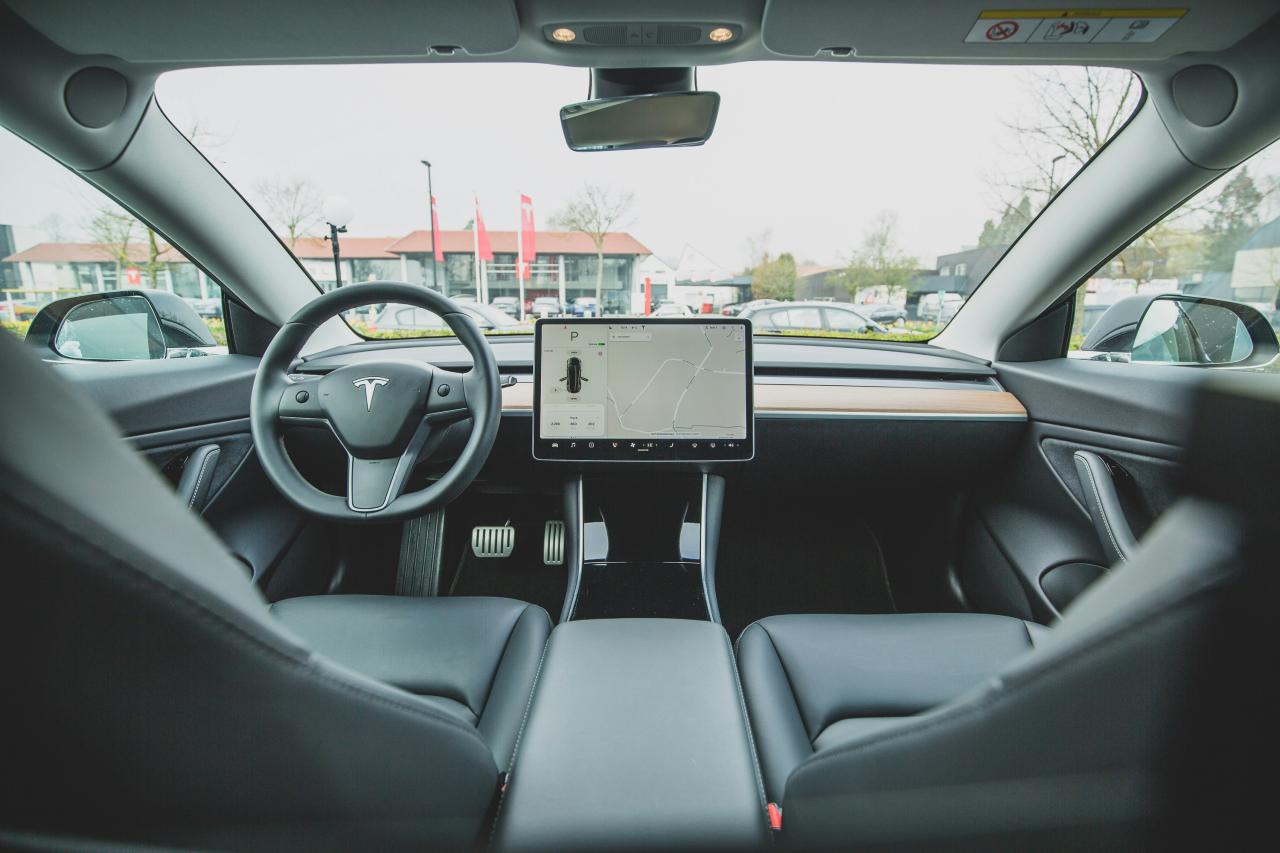
Tesla Model 3 Long Range Premium

The Tesla Model 3 remains a dominant force in the long-distance sector due to its world-class drag coefficient and superior supercharger integration.
Recent updates have refined the suspension and aerodynamics, allowing the Premium variant to achieve a staggering 363-mile range on a single charge.
High-performing drivers utilize the onboard route planning software to minimize downtime, often adding 175 miles of range in under 15 minutes.
Investors and owners appreciate the high residual value and software-driven efficiency updates that keep the vehicle at the forefront of the market.
The Model 3 is the benchmark for “range-per-dollar,” providing a seamless transition for long-distance commuters.
Aerodynamic mastery is the primary engine of the Model 3’s enduring market alpha.
Hyundai Ioniq 6 SE Long Range
The Hyundai Ioniq 6 is frequently cited as the efficiency king of the mid-market segment, utilizing an ultra-streamlined “Aero-Hatch” design.
With a real-world range reaching up to 361 miles, the SE Long Range trim offers exceptional endurance for long-haul highway travel.
The 800V charging architecture allows for ultra-fast power recovery, significantly outperforming competitors in charging-to-driving ratios.
Efficiency-focused owners see a marked reduction in energy costs due to the vehicle’s low watt-hour-per-mile consumption.
The Ioniq 6 represents a strategic play for those prioritizing technical sophistication and high-speed charging.
Molecular-level aerodynamic mapping is the secret behind the Ioniq 6’s high-yield performance.
Chevrolet Equinox EV Front Wheel Drive
The Chevrolet Equinox EV has emerged as a high-value family asset, offering a spacious interior and a 319-mile range at a highly competitive price point.
Utilizing a specialized front-wheel-drive configuration, the Equinox EV maximizes battery longevity and highway efficiency for suburban operators.
Real-world testing has shown the vehicle frequently exceeds its advertised range, providing an extra layer of operational security.
Families value the integrated safety features and the large cargo capacity, making it a primary choice for weekend getaways.
The Equinox EV is a cornerstone of the “practical-long-range” movement in North America.
Utility and efficiency are the dual pillars of the Equinox EV’s market position.
Toyota bZ XLE Performance Edition
Toyota’s refined bZ platform focuses on safe, reliable, and consistent range performance for the risk-averse long-distance driver.
The XLE trim now offers a respectable 314-mile range, benefiting from improved battery thermal management and software-level power optimization.
Market leaders in the rental and corporate fleet sectors are increasingly adopting the bZ for its predictable maintenance profile and ease of use.
The vehicle provides a “safe-haven” for consumers who are transitioning from legacy internal combustion to electric power.
Predictable performance and a strong dealer network provide the essential trust-moat for this asset.
Reliability-driven energy management is the core of the Toyota bZ’s value proposition.
Nissan Leaf S Plus Crossover
The next-generation Nissan Leaf has transitioned into a compact crossover, significantly increasing its utility and highway range.
With its larger 75kWh battery pack, the S Plus variant can now cover up to 303 miles, making it a viable option for regional travel.
The Leaf remains the “entry-level king,” providing a high-tech interior and modern infotainment at the lowest price point in the long-range segment.
New buyers favor the Leaf for its proven track record and the transition to a more versatile crossover body style.
The Leaf’s longevity and competitive pricing make it a primary vehicle for urban-to-regional commuting.
Incremental innovation is the strategic moat that protects the Leaf’s market share.
Kia EV6 Light Long Range
The Kia EV6 combines a futuristic design with a high-performance 310-mile range in its Light Long Range configuration.
Its sporty handling and high-torque motor make it a favorite for drivers who refuse to compromise on engagement for the sake of efficiency.
The vehicle’s ability to act as a mobile power source (V2L) adds an extra dimension of utility for long-distance camping or remote work.
Owners see a high return on engagement due to the vehicle’s rapid acceleration and sophisticated cabin tech.
The EV6 is a strategic asset for those seeking a “performance-first” approach to long-range mobility.
Dynamic handling and energy flexibility are the hallmarks of the EV6’s operational alpha.
MG4 EV Long Range Hatchback
The MG4 EV has disrupted the global market by offering a high-density 64kWh battery that delivers over 320 miles of range at a disruptive price.
Its rear-wheel-drive layout and balanced weight distribution provide a level of driving pleasure usually found in more expensive European sedans.
Sophisticated buyers in the UK and Asian markets are leveraging the MG4 for its high “feature-to-cost” ratio.
The MG4 is a primary example of “agile-manufacturing” capturing market share from legacy European brands.
Strategic cost-leadership allows MG to offer premium range features to the mass-market consumer.
Agile engineering and cost-capture are the engines of the MG4’s global success.
BYD Seal Premium Rear Wheel Drive
The BYD Seal is a high-yield technology platform that utilizes the “Blade Battery” to offer superior safety and a 354-mile range.
The Premium RWD trim is designed for maximum efficiency, utilizing a sleek sedan profile to minimize wind resistance during high-speed travel.
BYD’s vertical integration of battery production allows them to offer high-range capabilities that are often superior to Western competitors at a similar price.
Investors favor BYD for its total control over the supply chain, ensuring consistent quality and mineral security.
The Seal is a primary competitor to the Tesla Model 3, offering a luxury-feeling interior with comparable range.
Vertical integration is the strategic moat that protects BYD’s high-margin long-range products.
Hyundai Kona Electric Signature Range
The Hyundai Kona Electric remains a versatile all-rounder, offering a 315-mile range in its signature long-range configuration.
Its compact dimensions make it ideal for navigating tight urban environments, while its battery capacity allows for effortless cross-state journeys.
The Kona’s refined regenerative braking system is among the best in the industry, maximizing every kilowatt-hour of energy.
The Kona is a high-utility asset for those who need a single vehicle to handle both city life and long-distance travel.
Reliable energy recovery and a versatile interior provide the foundation for its enduring popularity.
Regenerative-alpha is the key to the Kona’s efficiency in varied driving conditions.
Kia EV3 Long Range SUV
The Kia EV3 is the newest entrant to the affordable long-distance segment, packing an 81kWh battery into a compact SUV body.
This “compact-powerhouse” offers an incredible 367-mile range, setting a new standard for energy density in its class.
The EV3 leverages the bold design of the larger EV9, providing a “mini-luxury” experience for long-distance family travel.
Early adopters are prioritizing the EV3 for its superior range-to-size ratio and modern digital cockpit.
The EV3 represents the next wave of “efficiency-at-scale” for the global SUV market.
Density-driven innovation is the primary engine of the EV3’s market launch.
Conclusion

High-range mobility is now accessible through high-density battery architectures and aerodynamic precision. Strategic mineral sourcing has allowed manufacturers to lower entry prices without sacrificing highway endurance. The 300-mile range threshold is the new baseline for institutional-grade mobile assets. Ultra-fast charging networks act as a vital multiplier for the utility of affordable electric cars. Aerodynamic optimization remains the most cost-effective way to increase real-world travel range.
Vertical integration in battery manufacturing provides a significant cost-moat for market leaders. Regenerative braking systems allow for the profitable recovery of energy in stop-and-go regional travel. Software-driven thermal management ensures the longevity and safety of the long-range battery pack. The shift toward crossover and SUV body styles reflects the demand for versatile long-distance utility. High-fidelity route planning is essential for maximizing the operational alpha of an electric fleet. The modern consumer must prioritize range-per-dollar to ensure long-term liquidity and asset value. The future of long-distance travel belongs to those who embrace the efficiency of the electric powertrain.