

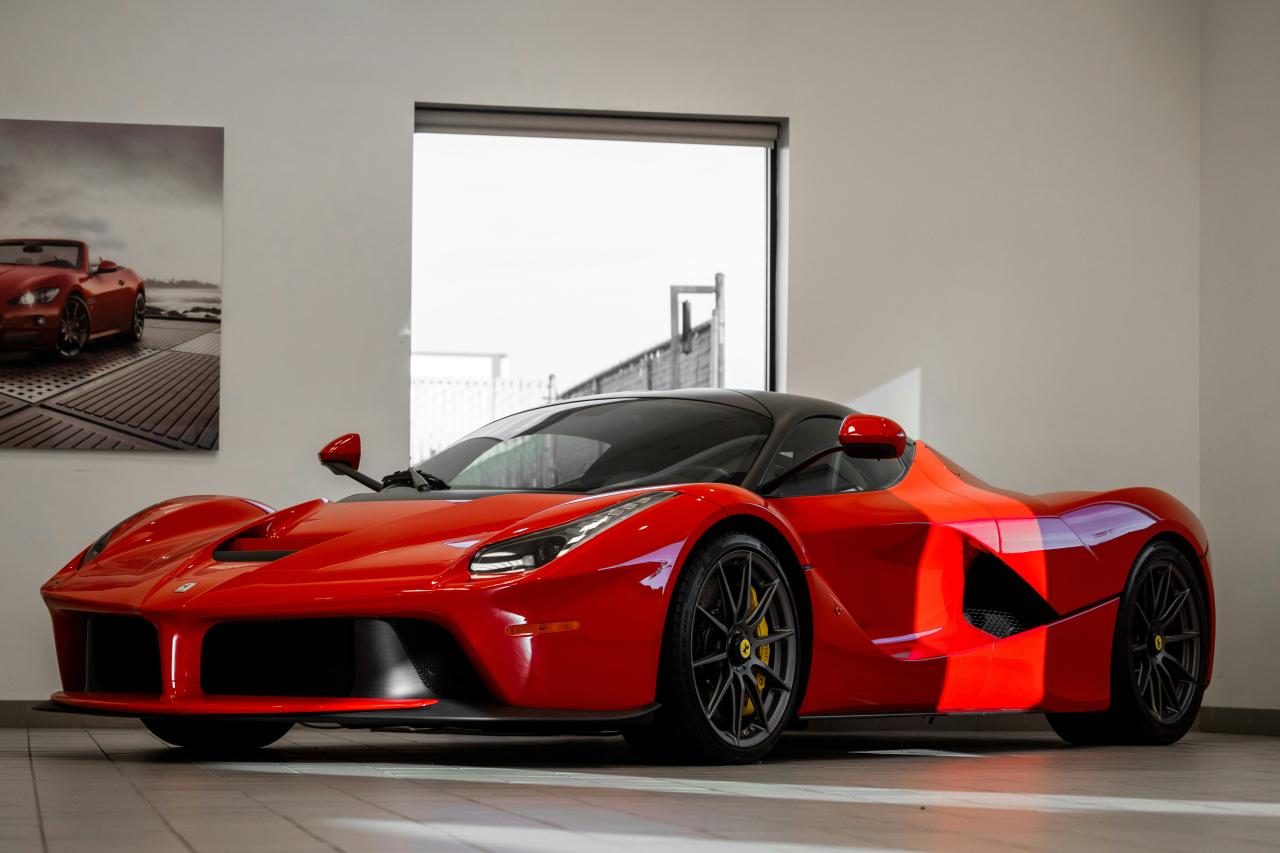
The global automotive investment landscape is currently undergoing a profound transformation as the industry pivots toward electrification, making the final generation of high-performance internal combustion engines more valuable than ever before. For the sophisticated collector, identifying upcoming limited edition releases is no longer just about horsepower or aesthetic appeal; it is a meticulous calculation of production scarcity, historical timing, and the emotional resonance of a brand’s mechanical heritage.
Recent market data indicates that ultra-low volume hypercars and specialty track-focused variants are commanding immediate premiums upon delivery, often trading for significantly more than their original MSRP in the private secondary market before they even reach the showroom floor. High-net-worth investors are increasingly viewing these vehicles as tangible hedges against currency volatility, much like rare timepieces or blue-chip contemporary art. The upcoming calendar is particularly dense with “end of an era” milestones, where legendary marques are releasing final, non-hybrid or unique hybrid versions of their most iconic powerplants as a tribute to their racing lineage.
These “halo” cars are often offered through invite-only allocations to a brand’s most loyal customers, creating a closed ecosystem that naturally inflates long-term resale value due to extreme structural scarcity. Furthermore, the integration of advanced materials like forged carbon fiber and 3D-printed titanium components has elevated these limited runs from mere transport to industrial masterpieces of the modern age. As global wealth expands into emerging markets, the competition for a dwindling supply of these mechanical artifacts has reached a fever pitch, ensuring that early-entry positions in these exclusive production cycles offer unparalleled return on investment. This analysis explores the specific factors that define upcoming release value and the strategic frameworks utilized by the world’s most successful automotive speculators.
A. Securing Invitation Only Allocation Access

The first hurdle in capturing high-yield automotive value is securing an allocation for a sub-1000 unit production run. High-end manufacturers like Ferrari and Bugatti utilize a hierarchical client rating system that prioritizes long-term brand supporters over new market entrants.
Securing a slot for a vehicle like the 799-unit Ferrari F80 or the 250-unit Bugatti Tourbillon virtually guarantees an immediate equity gain the moment the contract is signed. This exclusivity barrier acts as a natural price floor, protecting the asset from the common depreciation seen in mass-produced luxury vehicles.
B. The Appeal Of Final Internal Combustion Masterpieces
As the industry moves toward zero-emission transport, the final naturally aspirated and uniquely configured engines are becoming legendary artifacts. Collectors are specifically targeting models like the Bugatti Tourbillon with its V16 engine because it represents a “mechanical symphony” that will never be repeated.
These “final edition” internal combustion engines are expected to hold their value far better than early-generation electric hypercars. The visceral sound and mechanical engagement of a high-revving engine are qualities that cannot be replicated by software, ensuring permanent demand.
C. Evolution Of Specialized Track Performance Variants
The mid-engined hybrid platforms are reaching their ultimate evolution with upcoming releases like the Ferrari 296 Speciale. These models incorporate significant aerodynamic enhancements and weight reduction measures derived from Formula 1 programs.
Limited production of these extraordinary machines ensures exclusivity while allowing owners to experience the pinnacle of driving perfection. Investors prioritize these variants because they offer the most direct connection to a brand’s current racing success.
D. Re-emergence Of Analog Engagement Features
In an age of dual-clutch dominance, the manual gearbox has become a rare and highly sought-after luxury feature for driving purists. Future releases like the Infiniti Q50 are rumored to be considering a manual transmission to capture this specific market interest.
Historical data shows that manual versions of modern sports cars consistently outperform their automatic counterparts in terms of price appreciation. This “analog tax” is a result of a growing desire for tactile connection in an increasingly digital world.
E. Leveraging Bespoke Customization For Resale
Modern limited editions often come with extensive “ad personam” or bespoke tailoring options that allow the first owner to create a unique specification. Highly documented, one-of-one specifications often sell for significantly more than standard configurations.
Strategic investors often choose “heritage” color schemes or exposed carbon fiber finishes that appeal to the broadest possible pool of future collectors. A well-specced car is not just a vehicle; it is a curated asset that reflects the taste and sophistication of the premium market.
F. Global Homologation And Market Liquidity
A limited edition’s value is significantly affected by its ability to be registered and driven in major wealth hubs. Models that meet global safety and emissions standards have a much larger potential buyer pool and higher liquidity.
Conversely, “track only” limited editions can be more volatile, as they are restricted to private circuits and professional storage facilities. However, the extreme rarity of these specials can sometimes offset usage restrictions through sheer brand prestige.
Conclusion

The acquisition of a limited edition vehicle is a strategic play on the future scarcity of mechanical excellence. Every successful investor understands that the true value lies in the intersection of rarity and historical timing. The transition toward electric power is paradoxically increasing the value of the last great gasoline engines. Securing an invitation-only allocation is the most effective way to ensure immediate capital appreciation. Bespoke specifications can add hundreds of thousands of dollars to the ultimate resale price of a hypercar.
The market continues to reward vehicles that offer a deep, analog connection to the driving experience. High-performance computing in the cabin is now a standard requirement for maintaining premium value. Scarcity remains the primary engine that drives the aggressive price growth seen at top-tier auctions. The road ahead is more exclusive and profitable for those who prioritize engineering provenance. Investing in these limited releases is the best way to ensure your capital remains tied to automotive history.