

The rapid expansion of the connected vehicle ecosystem has ushered in a new era of mobility, but it has simultaneously introduced a complex landscape of digital vulnerabilities that threaten the very core of automotive safety. As vehicles transition into software-defined platforms, the traditional boundaries between mechanical engineering and information technology have dissolved, leaving critical systems exposed to sophisticated global threat actors. Recent forensic analysis of the automotive sector has revealed that nearly forty percent of all observed cyberattacks now specifically target user-facing integration layers, such as in-vehicle assistants and infotainment systems.
These entry points are particularly attractive to attackers because they provide a direct pathway to sensitive user data, payment gateways, and even core vehicle control modules. The integration of high-performance artificial intelligence within the cabin further complicates this landscape, as AI is being utilized by adversaries to automate the discovery of zero-day vulnerabilities at an unprecedented scale. Consequently, a single breach in a cloud-based telematics server can now lead to ecosystem-level events, potentially impacting millions of mobility assets simultaneously.
The automotive industry is currently at a crossroads where the convenience of constant connectivity must be balanced against the absolute necessity of robust, multi-layered security. This deep-dive analysis examines the most pressing cybersecurity risks found in modern smart vehicles and the strategic defensive measures required to protect the next generation of digital transportation.
A. Vulnerabilities in Over the Air Update Protocols

Wireless software updates are essential for maintaining vehicle performance, but the channels used to deliver these patches have become primary targets for interception. Attackers can attempt to spoof legitimate manufacturer messages to inject malicious code directly into the vehicle’s electronic control units.
Securing the end-to-end delivery pipeline is now a top priority for premium manufacturers to prevent unauthorized firmware modifications. Robust cryptographic verification ensures that only authenticated and untampered software can be executed by the vehicle’s hardware.
B. Exploitation of In Vehicle Infotainment Systems
Infotainment units often serve as the primary gateway for hackers due to their constant connection to external smartphone apps and web services. A compromised entertainment system can provide a lateral movement path for attackers to access more critical vehicle networks like the CAN bus.
Premium systems now utilize hardware-based isolation to separate non-critical apps from essential driving functions. This “sandbox” approach ensures that a breach in the media player cannot interfere with the braking or steering systems.
C. Risks Associated with Digital Assistant Privacy
Voice-activated assistants collect vast amounts of personal data, including location history, private contacts, and even ambient cabin conversations. If the cloud servers storing this data are breached, it can lead to massive identity theft or targeted physical surveillance.
Manufacturers are moving toward local, on-edge processing of voice commands to minimize the amount of sensitive data sent to the cloud. This shift not only improves response times but also significantly enhances the overall privacy posture of the vehicle.
D. Manipulation of External Sensor Data Streams
Autonomous driving features rely heavily on cameras, LiDAR, and radar to perceive the world, yet these sensors can be “blinded” or fed false data. Sophisticated spoofing attacks can make a vehicle “see” non-existent obstacles, causing dangerous sudden braking or erratic steering.
Redundancy is the key defensive strategy here, where the AI compares data from multiple different types of sensors to verify the truth. If the camera and radar data do not align, the system can enter a safe-state mode to protect the occupants.
E. Compromise of Keyless Entry and Start Systems
Relay attacks remain a common method for vehicle theft, where criminals use signal boosters to trick the car into thinking the owner’s key fob is nearby. Newer ultra-wideband technology is being deployed to measure the precise distance of the key, making these relay attacks much more difficult.
Biometric authentication, such as fingerprint or facial scanning, is also being integrated as a secondary layer of security. This ensures that even if a signal is intercepted, the vehicle remains immobilized without the physical presence of the authorized user.
F. API Security Flaws in Companion Mobile Apps
Mobile apps used to remotely start or lock vehicles often communicate via APIs that may contain hidden security weaknesses. Hackers can exploit these interfaces to gain remote control over vehicle functions or steal account credentials from thousands of users at once.
Continuous security testing and the implementation of zero-trust architectures are becoming standard for automotive mobile ecosystems. Every request from an app must be rigorously authenticated and authorized before any vehicle command is executed.
G. Supply Chain Vulnerabilities in Third Party Software
Modern vehicles contain millions of lines of code sourced from hundreds of different global suppliers. A single security flaw in a low-level software library can introduce a “backdoor” into multiple different vehicle models across various brands.
The use of a Software Bill of Materials (SBOM) allows manufacturers to track every component within their software stack. This visibility enables a rapid response when a new vulnerability is discovered in a common third-party tool.
H. Denial of Service Attacks on Charging Infrastructure
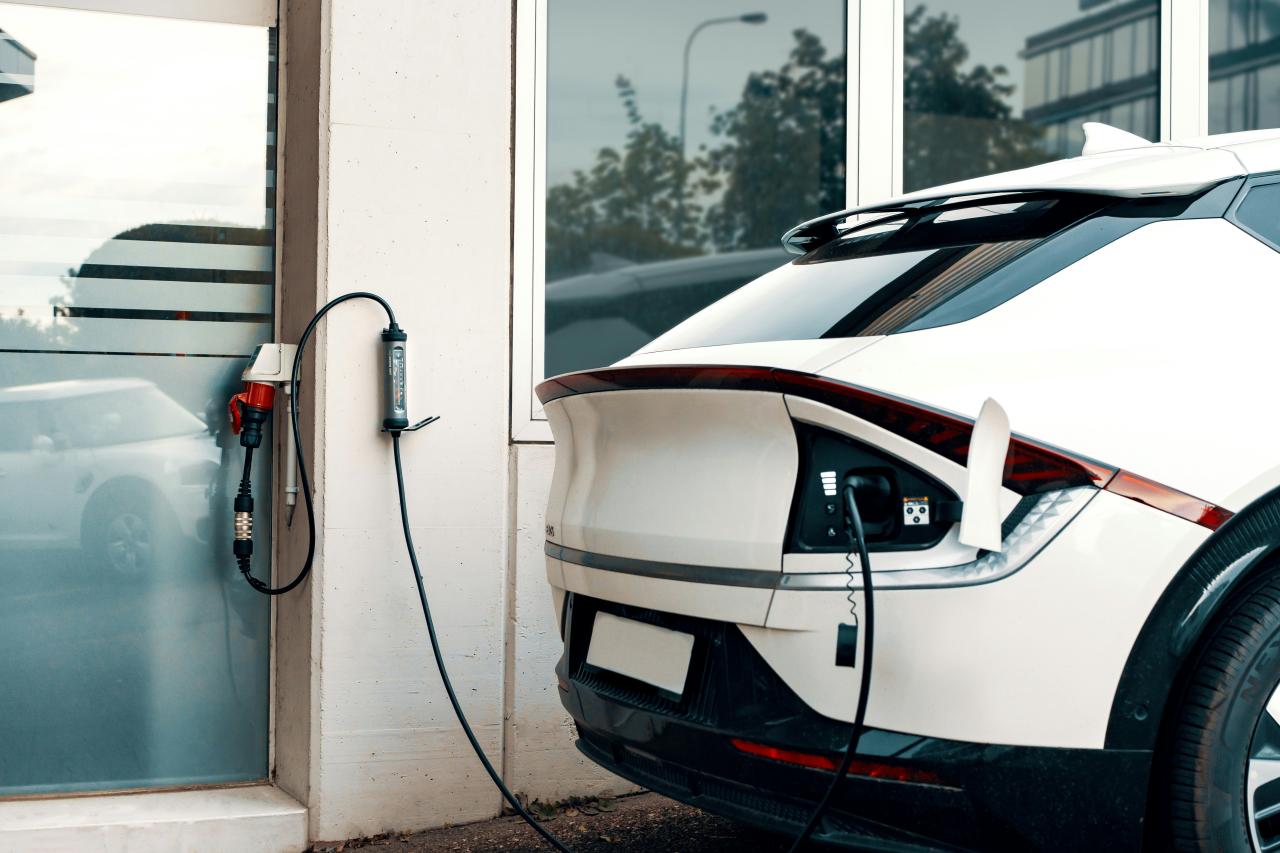
For electric vehicles, the communication between the car and the charging station represents another potential point of failure. Ransomware attacks on charging networks can immobilize entire fleets of commercial vehicles, leading to massive logistical disruptions.
Secure communication protocols like ISO 15118 are designed to protect the “Plug and Charge” process from unauthorized access. These standards ensure that financial transactions and energy transfers are handled with banking-level security.
I. Cloud Based Telematics and Fleet Management Risks
The centralized servers that manage large fleets of vehicles are high-value targets for organized cybercrime groups. A successful breach of a telematics hub could allow an attacker to remotely shut down every vehicle in a specific geographic region.
Multi-factor authentication and real-time anomaly detection are critical for protecting these centralized management platforms. These systems can identify and block unusual command patterns before they result in widespread operational failure.
J. Social Engineering and Phishing Targeting Owners
Attackers often target the human element by sending fake security alerts or software update notifications to vehicle owners. These messages are designed to trick users into revealing their login credentials or downloading malicious apps onto their phones.
Educating consumers about official communication channels is an important part of a holistic cybersecurity strategy. Premium brands often provide secure in-car messaging to ensure that owners only receive verified information from the manufacturer.
Conclusion

Cybersecurity has become a non-negotiable component of modern vehicle safety standards. The transition to software-defined vehicles has permanently expanded the potential attack surface. AI-driven threats require an equally advanced AI-powered defensive infrastructure.
A single vulnerability in the supply chain can have global repercussions for the industry. Protecting user privacy is now as critical as protecting the mechanical integrity of the car. Manufacturers must adopt a secure-by-design philosophy for every new vehicle model. The collaboration between security researchers and automakers is essential for future resilience. True safety on the road now depends on the strength of a vehicle’s digital shield.