

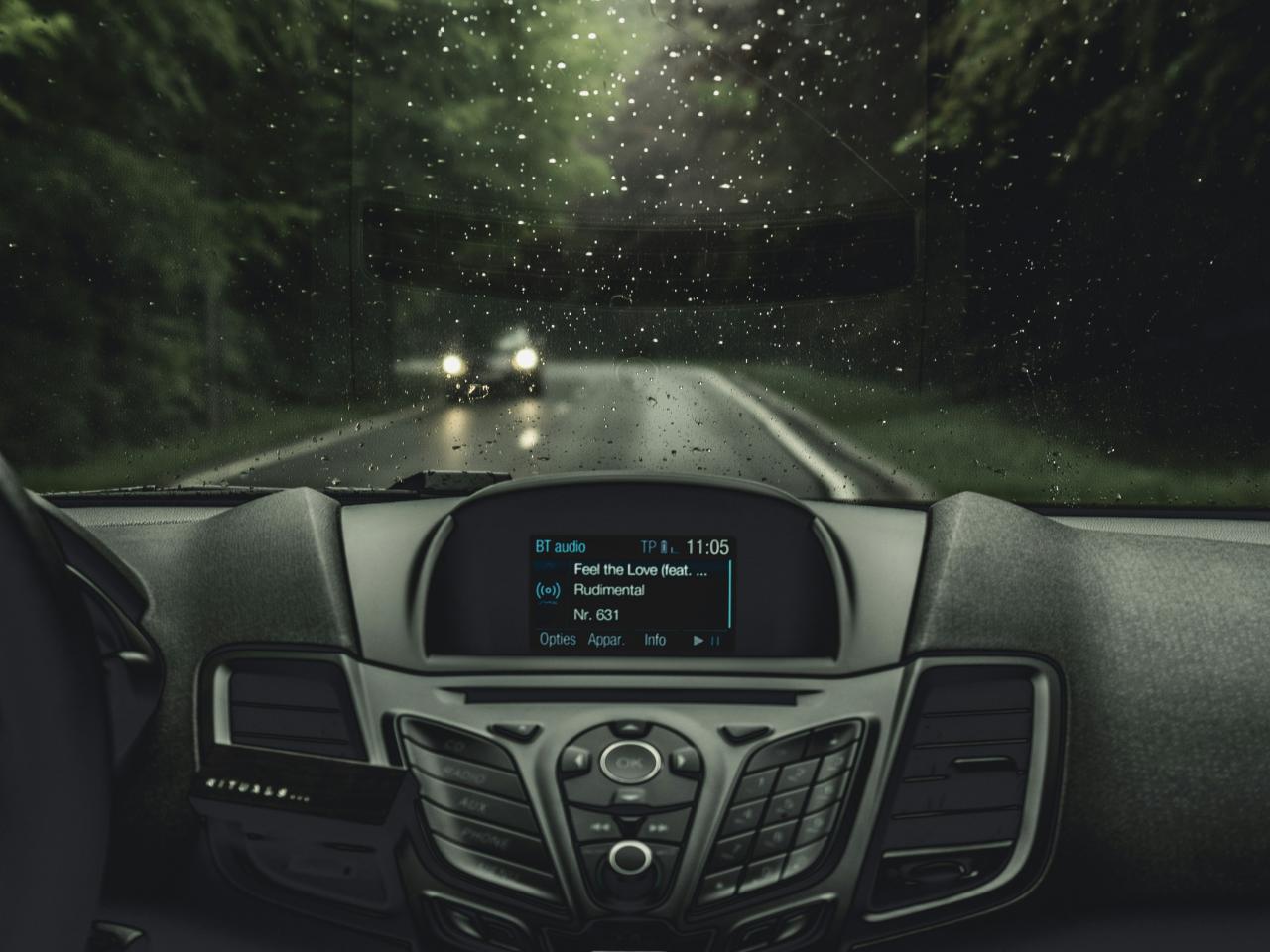
The rapid acceleration of automotive interior technology has fundamentally redefined the relationship between the driver and the vehicle cabin. Modern digital cockpits have evolved far beyond mere screens; they are now sophisticated, centralized hubs that manage a complex ecosystem of safety, comfort, and entertainment systems. This shift is driven by the rise of software-defined vehicles where high-performance computing platforms replace traditional analog hardware to provide a seamless, smartphone-like user experience.
High-end manufacturers are now deploying pillar-to-pillar displays that utilize advanced OLED and MicroLED technology to offer unparalleled clarity and deep contrast even in high-glare environments. These immersive interfaces are supported by generative artificial intelligence that acts as a proactive co-pilot, anticipating passenger needs before they are even articulated.
As connectivity reaches new heights with integrated satellite and 5G networks, the cockpit has become a third living space—a mobile sanctuary that balances high-productivity office features with premium relaxation zones. Sensors now monitor everything from the driver’s gaze and heart rate to the air quality inside the cabin, ensuring that every journey is as safe as it is luxurious. The competitive landscape for luxury automobiles is now focused on who can provide the most intuitive, responsive, and emotionally resonant digital environment. This review explores the pinnacle of current automotive innovation, focusing on the features that command the highest value in the global premium market.
A. Immersive Wide Format Display Architecture

The move toward ultra-wide, curved displays that span the entire dashboard represents the current gold standard in luxury interior design. These systems often feature a single piece of glass covering multiple high-resolution panels, providing a unified look that eliminates visual clutter.
Active Matrix OLED technology ensures that each pixel can be controlled individually, resulting in perfect black levels and reduced power consumption during night driving. This architecture allows for dedicated passenger screens that can stream media independently without distracting the operator.
B. Augmented Reality Navigation and HUD
Next-generation head-up displays project vital information such as speed, navigation arrows, and hazard alerts directly onto the windshield. This technology uses sophisticated optics to make virtual markers appear as if they are floating on the road ahead.
By aligning digital information with the physical environment, drivers can follow complex directions without ever taking their eyes off the path. High-fidelity sensors ensure that these overlays remain perfectly calibrated even during high-speed maneuvers or sharp turns.
C. Conversational Natural Language Interface
Modern voice systems have moved past rigid command structures and now utilize large language models to understand context and intent. You can speak to your vehicle naturally to adjust the temperature, find a specific destination, or even summarize your daily schedule.
These assistants are capable of handling multiple requests in a single sentence and can distinguish between different voices in the cabin. This results in a truly hands-free environment where the vehicle acts as an intelligent personal secretary.
D. Biometric Driver State Sensing
Integrated infrared cameras and steering wheel sensors monitor the driver’s physiological state to detect signs of fatigue or sudden health issues. If the system perceives a drop in attention, it can issue haptic alerts or activate refreshing climate presets.
Iris recognition and facial scanning allow for instant driver identification and automatic loading of personal seat positions and media profiles. This layer of security and personalization is a hallmark of the modern premium ownership experience.
E. Multi Zone Spatial Audio Innovation
High-end audio systems now incorporate dozens of speakers, including those embedded in headrests, to create localized sound zones for every occupant. This allows the driver to hear navigation prompts while passengers enjoy high-fidelity music without overlap.
Advanced noise-canceling algorithms work in real-time to neutralize tire roar and wind noise, creating a silent cabin environment. This acoustic isolation is essential for clear communication and a stress-free travel experience.
F. Software Defined Vehicle Feature Updates
The ability to receive over-the-air updates means that the vehicle’s digital capabilities can be enhanced long after the initial purchase. Manufacturers can deploy new driving modes, updated maps, and improved security patches directly to the car.
This flexibility allows owners to subscribe to premium features on-demand, ensuring the technology remains at the cutting edge. It effectively future-proofs the investment and maintains a higher resale value compared to static hardware systems.
G. Smart Surface and Haptic Controls
Physical buttons are being replaced by intelligent surfaces that provide tactile feedback through vibration when touched. This design choice creates a sleek, minimalist aesthetic while maintaining the intuitive feel of traditional switches.
These smart materials can be integrated into wood, fabric, or metal trims, allowing for hidden controls that only appear when needed. This “shy-tech” approach reduces cognitive load and keeps the cabin looking clean and sophisticated.
H. Advanced Environment and Air Management
Intelligent climate systems use thermal imaging to detect the body temperature of each passenger and adjust individual zones automatically. They can also sense external pollutants and switch to internal recirculation to protect the occupants’ health.
Ionizers and high-efficiency particulate filters work together to ensure that the cabin air is cleaner than the air outside. This focus on wellness is becoming a primary differentiator for top-tier automotive brands.
I. Integrated High Performance Computing Hubs
The transition to a centralized computing architecture allows the vehicle to process massive amounts of data from cameras and radar instantly. This powerful hardware supports real-time 3D rendering of the vehicle’s surroundings on the digital cluster.
A single, high-performance chip now manages everything from infotainment to active safety systems, reducing weight and complexity. This industrial-grade processing power is necessary for the next generation of autonomous driving functions.
J. Holistic Smart Ecosystem Connectivity
Your car now acts as a mobile extension of your digital life, syncing perfectly with smart home systems and office productivity tools. You can control your home’s security or join a professional video conference directly from the dashboard.
This deep integration ensures a frictionless transition between different environments throughout the day. The vehicle is no longer a disconnected tool but a vital node in a global, connected network.
K. Predictive Maintenance and Diagnostic Alerts
The AI assistant constantly monitors the mechanical health of the vehicle to identify potential issues before they become serious. It can automatically book a service appointment and order necessary parts at your preferred dealership.
Owners receive clear, plain-language explanations of any alerts, eliminating the confusion often associated with dashboard warning lights. This proactive care ensures maximum uptime and peace of mind for the busy professional.
L. Dynamic Ambient Lighting and Mood
Customizable lighting systems use thousands of colors to set the perfect interior atmosphere based on the time of day or driving style. These lights can also serve as safety indicators, pulsing red if a vehicle is detected in the blind spot.
Soft, rhythmic lighting patterns can help reduce stress during heavy traffic or stimulate alertness during long night drives. This sensory layer adds a profound level of emotional depth to the overall cabin experience.
M. Intelligent Cargo and Trailering Support
Digital mirrors and high-resolution cameras provide a clear view behind the vehicle, even when the rear window is blocked by cargo. The system can also offer virtual guides for hitching trailers or reversing in tight spaces.
Sensors in the suspension detect changes in load and adjust the vehicle’s damping for optimal stability and safety. This technology makes handling heavy loads feel as natural and controlled as a standard commute.
N. Proactive Energy and Fuel Management
For electric models, the assistant manages battery pre-conditioning and identifies the fastest charging locations based on your route. It optimizes energy consumption in real-time to ensure you reach your destination with maximum range.
In traditional engines, the system provides real-time coaching to improve fuel efficiency without sacrificing performance. This balance of power and economy is managed silently in the background by the central AI.
O. Enhanced Privacy and Data Security
As vehicles become more connected, high-level encryption is utilized to protect the driver’s personal data and location history. Users have full control over what information is shared and can opt-out of data collection at any time.
Secure digital keys allow you to unlock and start the car using only your smartphone or smartwatch. This eliminates the need for physical fobs and provides a more secure, modern way to access the vehicle.
Conclusion

The evolution of the digital cockpit is the most significant change in modern car design. Premium buyers now prioritize high-tech interior features over traditional mechanical specifications. Artificial intelligence serves as the backbone for a safe and highly personalized journey.
Every interaction within the cabin is now designed to be intuitive and rewarding. The seamless integration of software and hardware defines the new luxury standard. Investing in advanced cockpit technology ensures a vehicle remains relevant for years. Safety is significantly enhanced through proactive monitoring and augmented reality displays. The road ahead is more connected and enjoyable than ever before.