

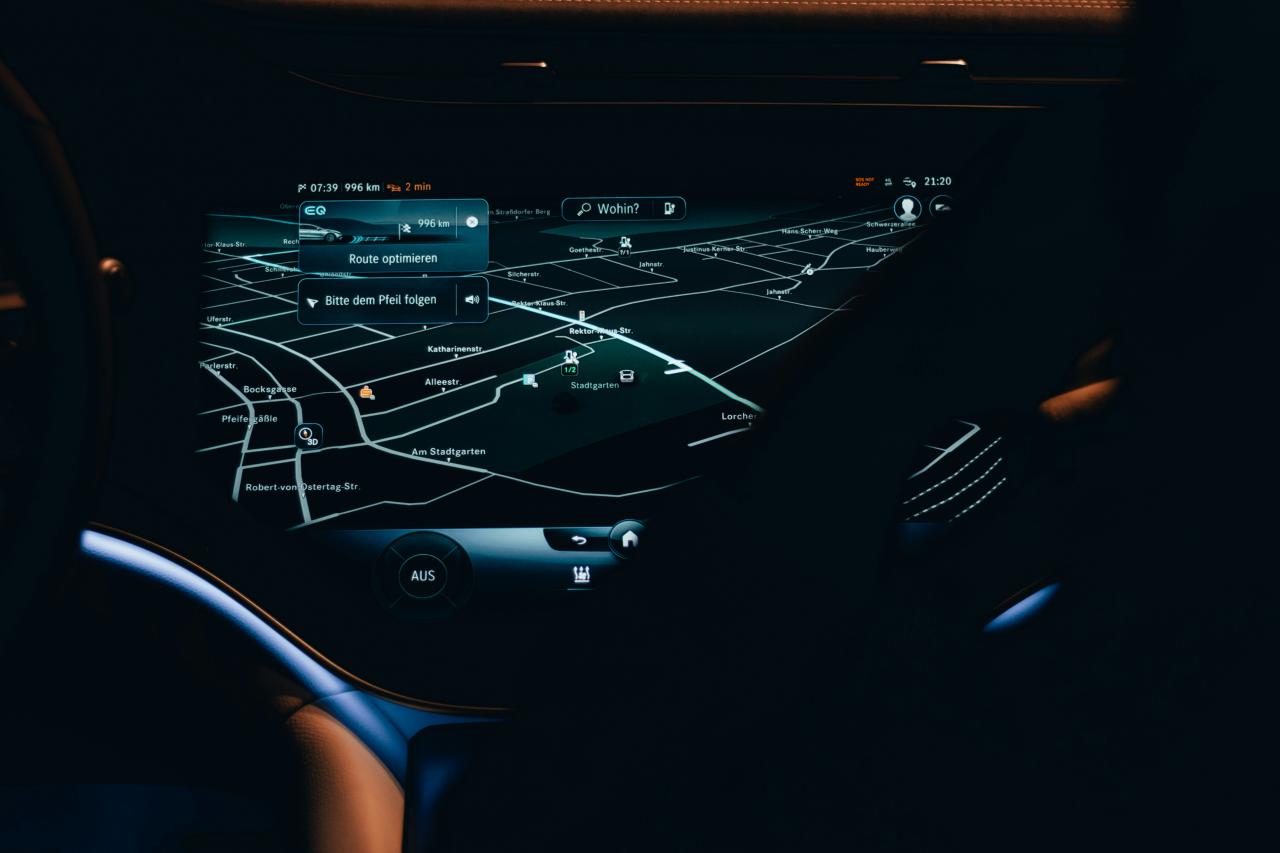
The evolution of automotive technology has reached a pivotal moment where the vehicle is no longer just a mechanical tool for transportation but a sophisticated mobile computing environment. Integration of high-end artificial intelligence within the cabin has transformed the driving experience into a seamless interaction between human intuition and machine precision. Modern drivers now expect a level of connectivity and proactive assistance that mirrors the luxury and efficiency of a high-performance workspace.
These advanced systems utilize complex neural networks to understand natural language, monitor driver fatigue, and anticipate maintenance needs before they become critical issues. By leveraging massive datasets and real-time sensor fusion, these assistants provide a layer of safety and convenience that was previously relegated to the realm of science fiction. The premium market for these technologies is expanding rapidly as manufacturers compete to offer the most intuitive and responsive digital cockpits available.
Sophisticated voice recognition and gesture control allow for a distraction-free environment where the focus remains entirely on the road ahead. This deep integration of technology ensures that every journey is tailored to the specific preferences and habits of the individual user. As we move closer to fully autonomous transport, the role of the intelligent in-car assistant becomes the central nervous system of the entire automotive ecosystem. Investing in these systems represents a commitment to the future of mobility and the highest standards of digital innovation in the modern era.
A. Advanced Voice Recognition Performance

Natural language processing allows the system to understand complex verbal commands without requiring specific pre-set phrases. This creates a conversational interface that feels like talking to a human co-pilot rather than a rigid machine.
High-fidelity microphones utilize beamforming technology to isolate the driver’s voice from ambient road noise and wind. This ensures that every request is captured accurately even at high speeds or during heavy rain.
B. Predictive Navigation and Route Planning
The assistant analyzes historical traffic patterns and real-time data to suggest the most efficient path to your destination. It can automatically adjust the route if a sudden delay occurs on the planned highway.
Premium systems integrate with your personal calendar to remind you when it is time to leave for an appointment. They also account for refueling or charging stops based on the current energy levels of the vehicle.
C. Biometric Driver Monitoring Systems
Infrared sensors and cameras track eye movement and head position to detect signs of drowsiness or distraction. If the system perceives a lapse in attention, it can issue haptic alerts or audible warnings to re-engage the driver.
Advanced versions can even monitor heart rate and stress levels through contact points on the steering wheel. This data allows the vehicle to suggest a break or adjust the cabin climate to help the occupant relax.
D. Personalized Infotainment Management
The AI learns your musical tastes and news preferences over time to curate a custom audio experience for every drive. It can distinguish between different drivers and automatically load their specific profiles upon entry.
Integration with smart home devices allows you to control your house lights or thermostat directly from the dashboard. You can ensure your living space is comfortable before you even pull into the driveway.
E. Proactive Vehicle Health Diagnostics
The assistant monitors thousands of data points from the engine and transmission to identify potential mechanical failures. It provides clear explanations of dashboard warning lights and suggests immediate steps for resolution.
Users receive notifications for routine maintenance like oil changes or tire rotations based on actual driving conditions. This proactive approach extends the lifespan of the vehicle and maintains its resale value.
F. Intelligent Climate Control Regulation
The system uses thermal imaging to detect the body temperature of passengers and adjust individual climate zones accordingly. It can automatically activate seat ventilation or heating based on the external weather forecast.
Air quality sensors monitor for pollutants and can switch the ventilation to internal recirculation mode instantly. This ensures a clean and healthy environment for all occupants during urban commutes.
G. Smart Fuel and Energy Efficiency
For electric vehicles, the AI manages battery thermal regulation to maximize range and charging speed. It identifies the most cost-effective charging stations along your route to save on operational costs.
In internal combustion engines, the assistant provides feedback on driving habits to reduce fuel consumption. It calculates the optimal throttle response for the current terrain and traffic flow.
H. Integrated Emergency Response Protocols
In the event of an accident, the system automatically contacts emergency services with your exact GPS coordinates. It can transmit vital vehicle data to first responders to help them prepare for the situation.
The assistant can also provide basic first aid instructions through the audio system until professional help arrives. This layer of security provides peace of mind for families and solo travelers alike.
I. Augmented Reality Head Up Displays
The AI projects critical information like navigation arrows and speed limits directly onto the windshield. This allows the driver to keep their eyes on the road while receiving essential data updates.
Advanced overlays can highlight pedestrians or obstacles in low-visibility conditions using thermal data. This visual enhancement significantly reduces the risk of collisions during nighttime driving.
J. Seamless Wireless Software Updates
The vehicle stays current with the latest features and security patches through over-the-air updates. This process happens in the background without requiring a visit to a physical service center.
New AI capabilities and voice commands are added regularly to improve the system’s intelligence over time. Your car effectively becomes more capable and smarter the longer you own it.
K. Contextual Interior Lighting Scenes
The assistant adjusts the ambient lighting colors to match the time of day or the driver’s current mood. Soft blue tones might be used for calm night driving while brighter tones assist with morning alertness.
Dynamic lighting can also be used as a communication tool to signal incoming calls or navigation turns. This subtle visual feedback enhances the intuitive nature of the cabin interface.
L. Virtual Concierge Services
Drivers can ask the assistant to make restaurant reservations or book hotel rooms while on the move. The system handles the logistics in the background so you can stay focused on the journey.
It can also find nearby parking spots and even pay for them through integrated digital wallets. This eliminates the stress of searching for a space in crowded metropolitan areas.
M. Multi Zone Audio Privacy
Innovative sound processing allows the driver to hear navigation prompts while passengers listen to different music. The assistant creates localized sound zones so that nobody is disturbed by another’s audio choice.
This technology also enables private phone calls where the audio is directed only to the driver’s ears. It ensures a premium and quiet experience for everyone inside the vehicle.
N. Intelligent Cargo and Load Assistance
Sensors in the trunk or bed of the vehicle calculate the weight of the load and adjust the suspension accordingly. The assistant provides tips on how to distribute weight for the best handling and safety.
It can also remind you if the tailgate is left open or if a heavy item is unsecured. This helps prevent damage to the vehicle and ensures the safety of other road users.
O. Enhanced Gesture Control Interfaces
Simple hand movements in the air can adjust the volume or answer phone calls without touching any screens. This reduces fingerprint smudges on high-resolution displays and keeps hands near the steering wheel.
The system uses spatial sensors to interpret intent and ignore accidental movements. It provides a futuristic and tactile way to interact with the vehicle’s core functions.
P. Cross Platform Ecosystem Integration
The assistant syncs perfectly with your smartphone, tablet, and wearable devices for a unified digital life. Your notes, reminders, and contacts are always available regardless of which device you are using.
This continuity allows you to start a navigation route on your phone and have it ready on the car screen instantly. It creates a frictionless transition between your home, office, and vehicle.
Q. Adaptive Safety Intervention Systems
If the AI detects an imminent collision that the driver has not seen, it can apply the brakes or steer away. This active intervention acts as a final safety net to prevent or mitigate serious accidents.
The system constantly scans the blind spots and alerts the driver of approaching vehicles during lane changes. It acts as an extra set of eyes that never gets tired or distracted.
R. Sophisticated Data Privacy Encryption
All personal data and voice recordings are protected by high-level encryption protocols to ensure user privacy. The system allows you to control what information is shared with the manufacturer or third parties.
Local processing of voice commands means that many functions work even without an active internet connection. This enhances both the speed of the system and the security of your private conversations.
S. Interactive User Training Modules
New owners can learn about their vehicle’s features through interactive tutorials guided by the AI. The assistant explains complex settings in simple terms to help you get the most out of your investment.
It can provide real-time tips on how to use specific off-road or performance modes based on current conditions. This ensures that every driver can operate the vehicle like an expert.
T. Dynamic Performance Calibration
The AI monitors driving style and road surface conditions to adjust the engine mapping and steering weight. This provides a sporty feel when desired and a comfortable, soft ride during long highway cruises.
It can anticipate upcoming curves using GPS data and pre-load the suspension for better cornering. This proactive adjustment results in a much smoother and more controlled driving experience.
Conclusion
The implementation of artificial intelligence in modern vehicles represents a significant leap forward. This technology bridges the gap between traditional mechanical engineering and modern digital software. Drivers benefit from increased safety and much higher levels of personal convenience every day. The assistant acts as a proactive partner that understands the needs of the occupants perfectly.
Future developments will only continue to refine how these systems interact with our daily lives. The value of a vehicle is now determined as much by its software as its horsepower. Choosing a car with a high-end AI assistant is a smart decision for any tech-savvy buyer. The road ahead is much safer and more enjoyable with an intelligent companion by your side.